Quick answer
A 10 person home service team usually needs a practical operations stack before it needs a giant enterprise platform. Start with scheduling, dispatch, estimates, invoices, payments, QuickBooks, online booking, SMS follow-up, and a workflow the office and technicians can actually use every day.
If you are still comparing categories, start with our best software for small home service businesses guide, then narrow the list by trade, budget, and integration needs.
Who this is for
This guide is for owners of HVAC, plumbing, cleaning, roofing, pest control, lawn care, and other home service teams with roughly 6 to 15 people. At this size, the business is often too busy for spreadsheets, but not always ready for a heavy ServiceTitan-style rollout.
The stack to look for
The best setup usually has one core field service platform plus a few connected systems. The core platform should handle jobs, customers, schedules, estimates, invoices, and mobile access. Around that, you may need QuickBooks, Stripe or another payment tool, online booking forms, SMS reminders, review requests, and call capture or an AI receptionist.
What to compare first
- Setup speed: Can your office team start using it this month?
- Technician adoption: Is the mobile workflow simple enough for daily use?
- QuickBooks fit: Does invoice and payment data move cleanly?
- Booking and forms: Can website leads become jobs without copy-paste?
- Customer follow-up: Can it send confirmations, reminders, reviews, and missed-call follow-up?
Good shortlist for small teams
Many 10 person teams compare Jobber, Housecall Pro, Workiz, FieldPulse, and Service Fusion. The right choice depends less on the feature list and more on how your jobs enter the business, how technicians update work, and how accounting closes the loop.
When to avoid enterprise software
Enterprise tools can be powerful, but they can also slow down a small team if implementation, training, data migration, and add-ons become the project. If your team mostly needs cleaner scheduling, invoices, payments, and customer updates, a lighter platform plus the right integrations is often safer.
When an integration plan makes sense
If your current tools are close but disconnected, do not switch software too early. A simple setup plan can show whether you should connect booking, QuickBooks, SMS, payments, and customer follow-up around your current system, or move to a new platform.
For teams comparing options now, use the Free Software Setup Plan form and include your trade, team size, current tools, and the first workflow that feels messy.
Ready to turn the advice into a setup plan?
Head back to the homepage for trade guides and comparisons, or take the quiz to shape a practical software stack for your team.
Need help applying this to your business?
Use the article as a starting point, then share your trade, team size, and current tools so we can help shape a practical setup path.
Get a Free Software Setup PlanRelated articles
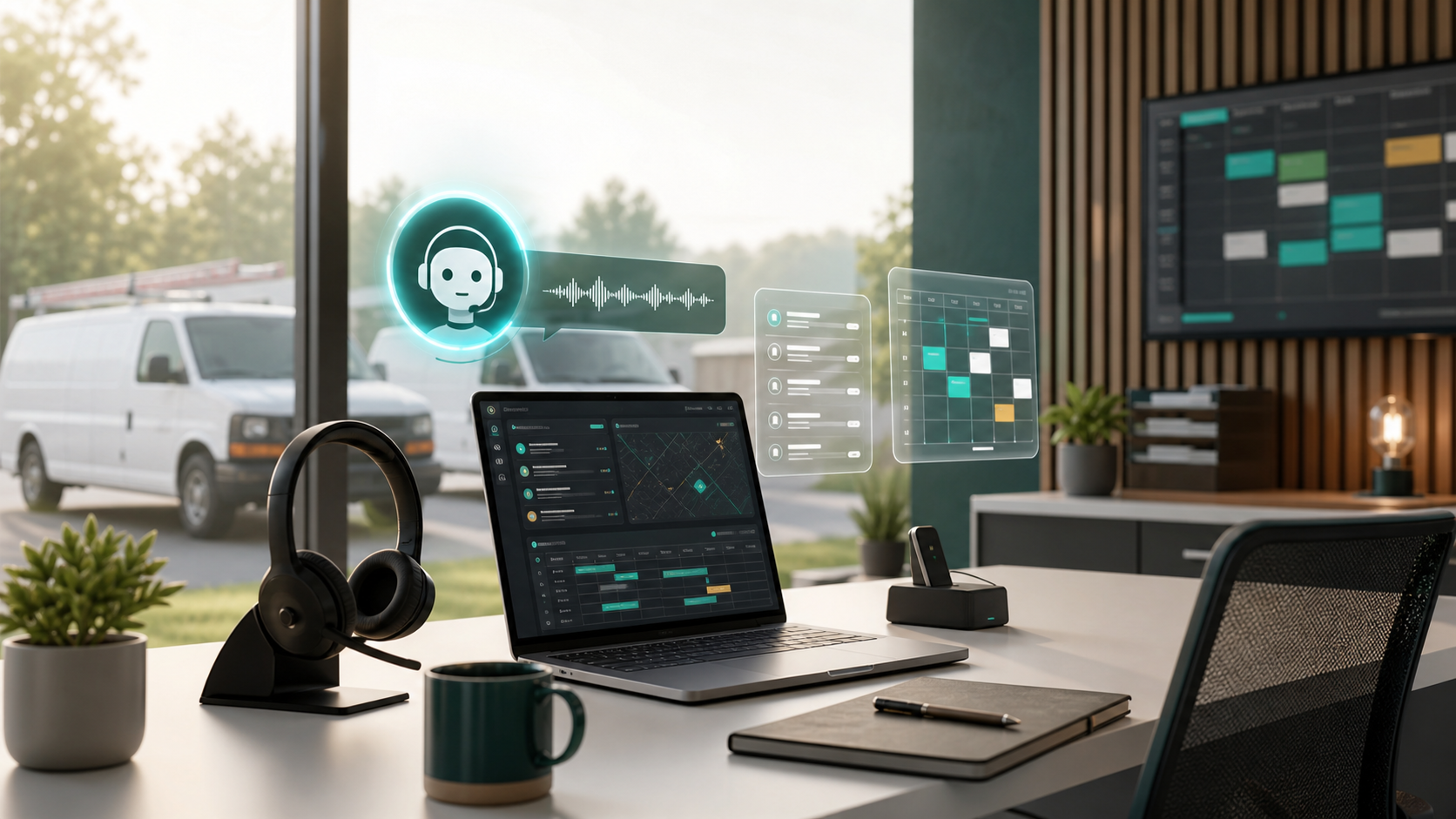
AI Receptionist Software for Contractors: What to Automate First in 2026
AI receptionist tools are moving from generic chatbots into call intake, booking, and dispatch workflows. Here is what contractors should automate first, what to keep human, and how to choose software that fits the field.
Field Service Software Pricing: 2026 Complete Cost Guide (37 Tools Ranked)
The only independent pricing guide covering 37 field service tools. See real monthly costs, hidden fees, and contract terms that vendors don't publish on their pricing pages.
How to Connect QuickBooks to Field Service Software
A practical guide for contractors who need field service software, invoices, payments, booking, and customer records to work cleanly with QuickBooks.